
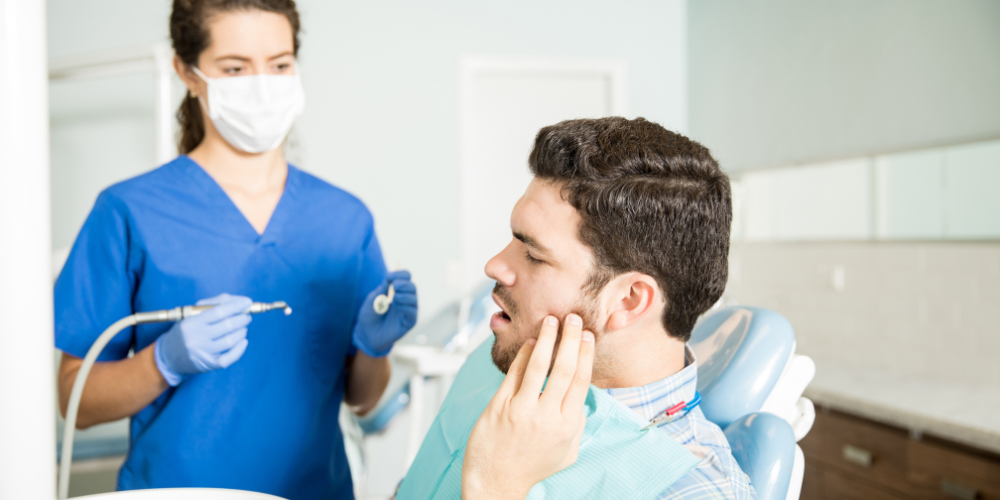
When it comes to oral health, not all issues can wait until your next scheduled appointment. Dental emergencies can arise suddenly, causing pain, discomfort, or even threatening the survival of a tooth. Understanding the difference between urgent and non-urgent dental situations can help you act quickly, potentially saving your smile and preventing further complications.
In this article, we will explore what qualifies as a dental emergency, the symptoms that indicate the need for immediate care, and the steps you should take when faced with these situations.
How Can You Tell If It’s a Dental Emergency?
Some dental issues, while inconvenient, are not classified as emergencies. However, there are specific signs that warrant prompt professional attention.
Here are common indicators that you may be experiencing a dental emergency:
- Severe, persistent, or throbbing toothache
- Swelling in the jaw, face, or gums
- A tooth that has been knocked out (avulsion)
- Uncontrolled oral bleeding
- Visible abscess or pus around a tooth or gum
- Trauma to the teeth or face
- Broken, cracked, or fractured teeth with pain
- Difficulty swallowing or breathing due to swelling
Urgent dental problems often involve pain, infection, or trauma. These scenarios require assessment and care from a qualified dental professional as soon as possible to reduce risks and avoid long-term consequences.
What Are the Most Common Types of Emergency Dental Situations?
Tooth Knocked Out (Avulsed Tooth)
This is one of the most time-sensitive dental emergencies. If an adult tooth is completely knocked out:
- Do not touch the root — hold it by the crown
- Keep it moist (ideally in milk or saliva)
- Seek dental care immediately (ideally within 30 minutes)
Severe Toothache
A sudden, sharp, or worsening toothache could indicate an underlying issue such as infection, decay reaching the nerve, or trauma. It may be accompanied by swelling, sensitivity, or fever.
Dental Abscess
A pocket of infection, often caused by bacterial build-up or untreated decay, can lead to:
- Localised swelling
- Pus discharge
- Fever
- Bad breath
- Pain on biting
This is a potentially serious condition. If left untreated, the infection can spread to other areas of the body.
Facial Swelling or Difficulty Breathing
Swelling that restricts breathing or spreads to the eye or neck area is a medical emergency and requires immediate hospital attention.
Broken or Fractured Teeth
Cracks that expose the inner tooth structures, especially with associated pain or sensitivity, need urgent assessment to prevent infection or tooth loss.
Uncontrolled Bleeding
Post-extraction bleeding or trauma-related bleeding that does not subside after applying gentle pressure for 15 minutes should be treated immediately.
Which Dental Conditions Are Non-Urgent?
Not all oral issues require same-day care. The following scenarios are typically non-emergent:
- Minor tooth sensitivity
- Small chips or cracks with no pain
- Lost fillings or crowns without discomfort
- Mouth ulcers that are healing
- Bleeding gums due to gum disease (unless excessive)
While non-urgent, these conditions still require timely dental assessment to prevent deterioration, but they can generally wait until a regular appointment becomes available.
How Do Urgent and Non-Urgent Dental Conditions Compare?
The table below outlines a clear distinction:
| Condition | Urgent? | Recommended Action |
| Knocked-out adult tooth | Yes | See dentist within 30 minutes |
| Mild tooth sensitivity | No | Book a regular appointment |
| Cracked tooth with pain | Yes | Contact an emergency dentist |
| Lost filling or crown (no pain) | No | Schedule next available visit |
| Dental abscess with swelling/fever | Yes | Seek urgent dental or medical care |
| Bleeding post-extraction (ongoing) | Yes | Call dentist or go to hospital |
| Mouth ulcer lasting >2 weeks | No | Arrange non-urgent dental check |
| Chipped tooth (no pain) | No | Cosmetic assessment if needed |
What Immediate Steps Can You Take in a Dental Emergency?
While waiting to see a dentist, there are a few immediate actions that can help manage symptoms and protect oral tissues:
- Rinse the mouth with warm water to clear debris
- Apply a cold compress to the outside of the face for swelling
- If a tooth has been knocked out, keep it moist and avoid touching the root
- Sit upright to reduce blood flow to the affected area and limit bleeding
- Avoid eating on the affected side until reviewed
- Call your dental clinic as soon as possible to explain symptoms
Remember: these measures are not treatments — they are supportive steps until professional care is available.
Why Is Timely Treatment Important in Emergencies?
Delaying care can lead to:
- Increased pain and discomfort
- Spread of infection to other parts of the body
- Irreversible damage to teeth, gums, or jaw
- Potential tooth loss
- Complications that require more complex intervention
Prompt dental attention improves the chances of preserving natural teeth and achieving a better recovery outcome.
When Should You Go to Hospital Instead of a Dentist?
In some cases, your first point of contact should be an emergency department rather than a dental clinic. This includes:
- Difficulty breathing or swallowing
- Eye or neck swelling from oral infection
- Sudden facial trauma with heavy bleeding
- Signs of systemic infection (high fever, confusion)
Always err on the side of caution when in doubt — especially when symptoms involve areas beyond the mouth or pose a risk to airway or systemic health.
Why Choose Seth Dental Gerringong for Emergency Dental Care?
At Seth Dental Gerringong, we understand that dental emergencies don’t follow a schedule. Our dedicated team is committed to offering compassionate and professional care when you need it most. Whether it’s a sudden toothache, a cracked tooth, or facial swelling, we provide timely assessment and tailored treatment options based on your specific condition.
Located in the heart of Gerringong, we welcome patients experiencing dental emergencies with the utmost urgency. We aim to relieve pain, address the cause, and help you regain control of your oral health with minimal delay. Our practice maintains a patient-first approach, prioritising comfort, education, and informed decisions — even in unexpected situations.
We’re here when it counts most. If you or a loved one are experiencing symptoms of a dental emergency, contact our clinic without delay.
References
- Australian Dental Association – Dental Emergencies:
https://www.teeth.org.au/dental-emergencies - Healthdirect – Dental Emergency Guidelines:
https://www.healthdirect.gov.au/dental-emergency - Better Health Victoria – Dental Health Explained:
https://www.betterhealth.vic.gov.au/health/conditionsandtreatments/dental-emergencies
Frequently Asked Questions (FAQs)
- What qualifies as a dental emergency?
A dental emergency involves urgent symptoms such as severe pain, infection, bleeding, swelling, or trauma that may lead to long-term damage if left untreated. - How soon should I see a dentist if I knock out a tooth?
Ideally within 30 minutes. Time is critical for increasing the chance of successful reattachment of the tooth. - Can a tooth abscess go away on its own?
No. A dental abscess requires professional treatment to remove the infection and prevent it from spreading. - Is swelling in the face always a dental issue?
Not always, but when combined with tooth pain or oral symptoms, it may indicate a serious dental infection requiring urgent care. - Can I wait a few days to treat a broken filling?
If it’s not causing pain or exposing nerve tissue, it may not be urgent. However, you should still contact your dentist promptly to arrange a repair. - What should I do if I have bleeding after a dental extraction?
Apply firm pressure with clean gauze. If bleeding continues beyond 15–20 minutes, contact your dentist Gerringong or attend an emergency clinic.
Disclaimer
All dental procedures involve potential risks and benefits. The information provided in this blog is general in nature and should not be taken as medical advice. We recommend that you seek guidance from a suitably qualified health professional before making decisions about your oral health. Where appropriate, you may also wish to consider obtaining a second opinion.
Any images or videos featured are shared with the informed consent of our patients and are intended for educational purposes only. They are not a guarantee of results, as every patient is unique. Treatment outcomes — including recovery, potential complications, and effectiveness — can vary from person to person.
